
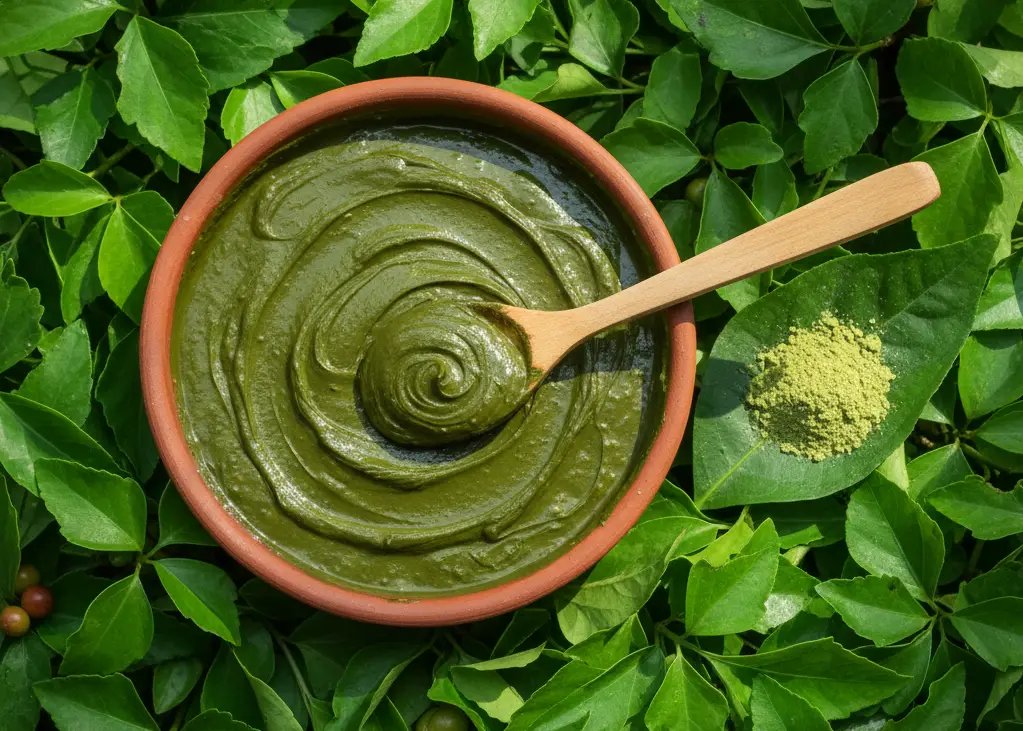
There is something undeniably magical about the smell of fresh henna. Whether you are prepping for a wedding, celebrating a festival, or just treating yourself to some temporary self-expression, henna (or mehndi) is an ancient art form that never loses its charm.
But beyond the beautiful, intricate designs, what is henna actually about? Let’s dive into the history, the ritual, and the care required to get that perfect, deep stain.
What is Henna?
At its core, henna is a natural dye derived from the leaves of the Lawsonia inermis plant (often called the henna tree). When crushed into a paste, the leaves release a pigment called lawsone, which stains the skin, hair, and even leather or silk.
It has been used for over 5,000 years, traversing cultures from Egypt and India to the Middle East and North Africa. It’s not just “temporary ink”—it’s a symbol of joy, beauty, and spiritual protection.
Getting the Perfect Stain: 3 Pro Tips
Ever wonder why your friend’s henna turned a deep, dark cherry-red while yours faded to orange in two days? It’s all in the aftercare.
- The Longer, The Better: Keep the paste on for at least 4–6 hours, or overnight if possible. Resist the urge to pick it off!
- The “Sugar-Lemon” Seal: Once the paste is dry, gently dab a mixture of lemon juice and sugar over it. This keeps the henna moist and stuck to your skin longer, which leads to a darker stain.
- Avoid Water: This is the golden rule. Avoid getting your henna wet for the first 12–24 hours after removing the paste. Water stops the oxidation process that deepens the color.
Note: Always ask for natural, plant-based henna. Avoid “Black Henna,” which often contains chemical additives like PPD (paraphenylenediamine) that can cause severe allergic reactions and scarring. Natural henna should always smell like essential oils and earth, never like chemicals.
Why We Love It
Henna is a ritual. In a world of fast-paced technology and digital interactions, sitting down for a henna session forces you to slow down. You have to be still while it dries. You have to wait for the results. It’s a moment of mindfulness wrapped in beautiful, fleeting art.
Whether you prefer traditional mandalas, modern minimalist lines, or bold geometric shapes, henna is a way to tell your own story on your skin—without the lifelong commitment of a permanent tattoo.